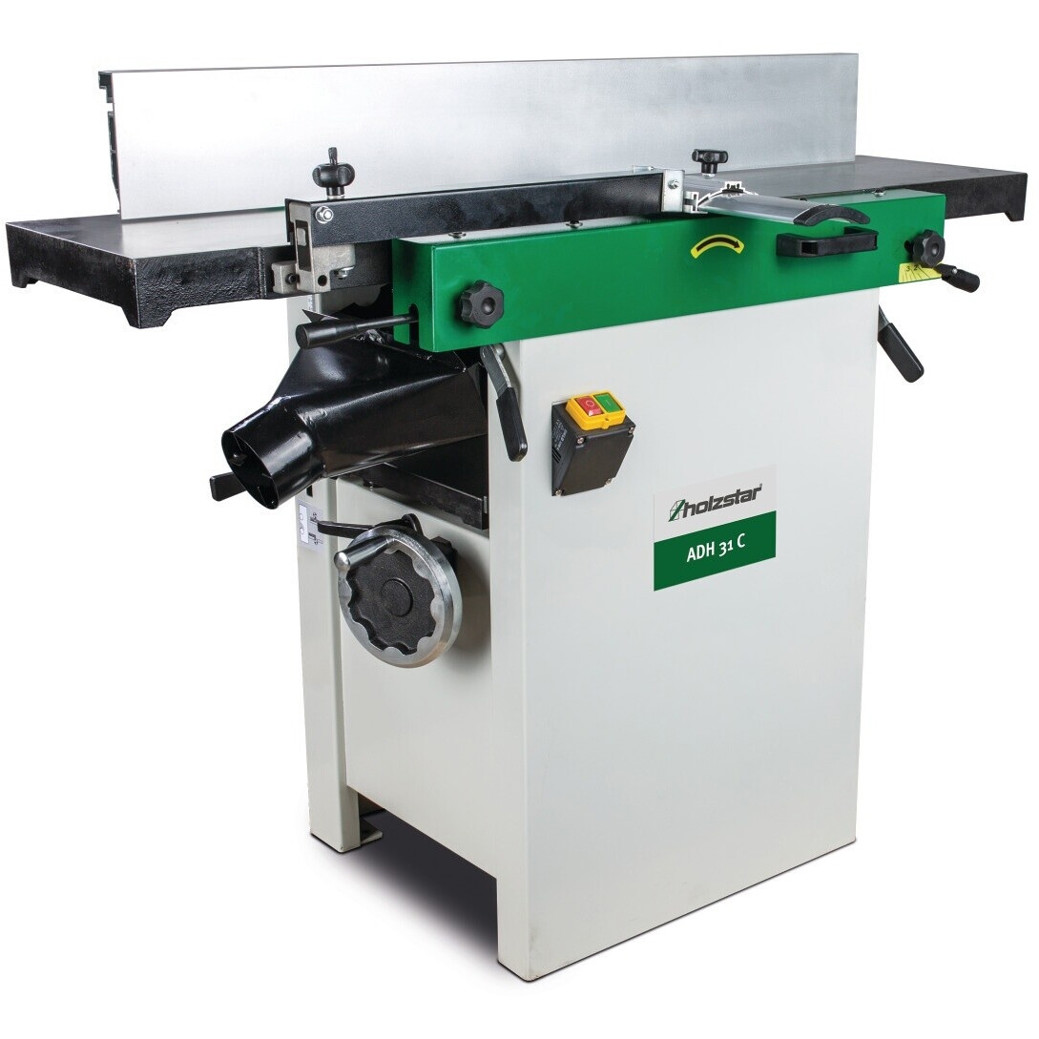
Preparation machines have long been a cornerstone of machining operations, assisting manufacturers develop precisely flat and smooth surfaces on workpieces. As innovation has actually advanced, the capabilities of these machines have expanded drastically. Modern planning machines are now geared up with sophisticated features that boost accuracy, effectiveness, and flexibility. In this article, we will check out the development of planning machines, their modern models, applications, Moderne Tragbare Hobelmaschinen (Theblackbusinessdirectory.Org) advantages, and FAQs to assist you comprehend the significance of this important tool in machining.
Historically, preparing machines were established in the 18th and 19th centuries, primarily to replace manual shaping strategies. The early machines used manual adjustments and were driven by steam or water. With time, innovations in products, electric power, and control systems led to the prevalent adoption of these machines in numerous markets.
| Year | Turning point Description |
|---|---|
| 1787 | Intro of the very first preparation device by Joseph Whitworth |
| 1920s | Adoption of electric motors substantially enhanced functional speed |
| 1960s | Introduction of CNC (Computer Numerical Control) innovation |
| 2000s | Advanced automation and integration with CAD/CAM systems |
The timeline above highlights how preparing machines evolved from basic mechanical devices into advanced multi-axis systems efficient in carrying out complex jobs.
Modern preparing machines can be classified based on their style, abilities, and applications. Below are the main types:
| Type | Control System | Applications | Advantages |
|---|---|---|---|
| CNC Planers | Computer Controlled | Mass production | High accuracy, repeatability |
| Hydraulic Planers | Hydraulic System | Durable applications | Effective output, toughness |
| Hybrid Planers | Mixed Control | Flexible operations | Flexibility in operation |
| Portable Planers | Manual/CNC | Fieldwork and repair work | Mobility and ease of usage |
Modern planning machines discover use across different industries, including:
The adoption of modern planning machines offers many benefits:
A: A CNC planning machine runs by following a computer-aided style (CAD) file that advises the machine on how to get rid of material from a workpiece with accurate motions.
A: Yes, modern planning machines can carry out numerous tasks, such as milling, drilling, and contouring, depending on their features and attachments.
A: Planning machines appropriate for a range of materials, including metals (like steel, aluminum), plastics, and composites.
A: Regular upkeep, including lubrication, alignment checks, and replacing worn parts, will assist maintain the durability and efficiency of the device.
A: When utilized according to manufacturer guidelines and with appropriate safety procedures, Hobelmaschinen Für Kleines Budget modern preparation machines include safety features that make them safe for operators.
The advancement of planning machines from their basic origins to the sophisticated modern systems we see today showcases the considerable advancements in producing innovation. These machines have not only enhanced the effectiveness and precision of machining operations but have actually likewise broadened their applications across numerous markets. With constant developments, preparing machines stay important to modern production processes, making it possible for manufacturers to satisfy the growing demands for high-quality outputs.
As industries continue to evolve, planning machines will adjust, guaranteeing their place in the future of machining. Embracing these modern tools is important for any production business intending to enhance productivity and maintain competitiveness in the ever-changing market landscape.


