In modern Cooker hood kitchens, the cooker hood, often described as the range hood, has ended up being more than simply an important appliance; it plays an important role in preserving a healthy and comfy cooking space. This article explores the significance of cooker hoods, exploring their functions, types, and maintenance suggestions while integrating a comprehensive contrast table for simple reference. We'll also respond to some often asked concerns.
Cooker hoods serve multiple purposes in the kitchen:
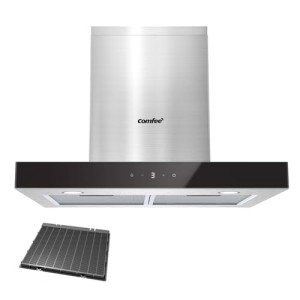
Understanding the various types of cooker hoods can help property owners choose the right choice for their kitchen. Below is a comparative table summing up the main kinds of cooker hoods in addition to their essential features, pros, and cons.
| Kind Of Cooker Hood | Secret Features | Pros | Cons |
|---|---|---|---|
| Under-Cabinet | Mounted under cabinets, compact design | Space-saving, easily available | Limited extraction power |
| Wall-Mounted | Connected to the wall above the cooktop | Trendy style, great for open areas | Needs wall installation |
| Island | Designed for usage above kitchen islands | Provides a focal point, exceptional suction | Pricey, needs correct ceiling height |
| Downdraft | Retracts into the counter top | Discreet, perfect for minimalist styles | Less effective than standard hoods |
| Place | Suits custom-made cabinetry | Personalized, mixes perfectly | Can be intricate to install |
| Chimney | Freestanding with a chimney-like style | High extraction rates, excellent aesthetics | Takes up more area |
When purchasing a cooker hood, several aspects must be taken into consideration:
Regular maintenance increases the longevity and effectiveness of cooker hoods. Here are a couple of vital ideas:
The general general rule is to compute the CFM requirement based upon your stove's BTU rating. You can utilize the formula:[\ text CFM = \ frac \ text BTU 100] Therefore, for a 30,000 BTU cooktop, you would need roughly 300 CFM.
Yes, ductless cooker hoods are readily available, which recirculate air through filters before sending it back into the kitchen. Nevertheless, they might not be as reliable in getting rid of heat and wetness compared to ducted hoods.
It's suggested to clean the filters every one to three months, depending on usage frequency and the kind of cooking being done.
Not all cooker hoods produce significant sound. Look for designs with a lower dB score for quieter operation, specifically if sound is an issue in your kitchen.
A filter hood uses charcoal or grease filters to clean up the air and recirculate it back into the kitchen, while ducted hoods expel air outside through ducts, providing better ventilation.
In conclusion, the cooker hood is an important component of modern kitchens, contributing to improved air quality, safety, and convenience. With different styles offered, it is important to consider the particular needs of your cooking area when picking the ideal design. Routine upkeep will ensure the cooker hood remains effective and prolong its lifespan, making it a sensible investment for any kitchen.


